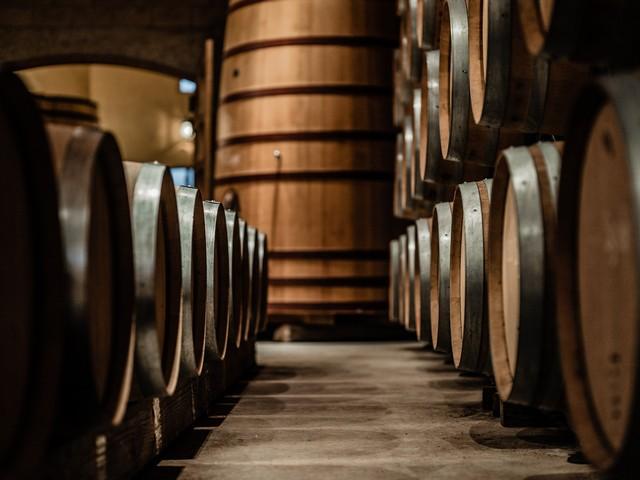
Spain has been quietly (and sometimes not so quietly) turning out brilliant wine for centuries. Bold reds, those silky Tempranillos everyone falls for, crisp Cava that goes down far too easily on a warm afternoon — whatever mood you're in, something covers it. The catch is the sheer number of regions. So here's my rundown of the 10 best Spanish wine regions, and what to actually reach for in each.
1. Rioja
If you only know one Spanish wine region, it's this one — and honestly, fair enough. The wines are usually a blend of Tempranillo, Garnacha, and Graciano, with that deep red colour, medium to high acidity, and tannins that never quite overwhelm. Rioja ages wonderfully, and it's classified by how long each bottle has spent in barrel and bottle before release:
- Crianza – aged at least 2 years, with 1 year in oak
- Reserva – aged at least 3 years, with 1 year in oak
- Gran Reserva – aged at least 5 years, with 2 years in oak
There are three sub-zones, and they genuinely taste different. Rioja Alta runs cooler, giving you elegant, age-worthy wines with more restrained fruit. Rioja Baja is warmer, so the styles come out riper and easier to drink young. Then there's Rioja Alavesa — the smallest and highest up — which turns out bright, fresh wines with real zip to the acidity. One tip when you're buying: glance at the vintage. An older one usually means longer ageing and more going on in the glass.
2. Ribera del Duero
Up on Spain's north-central plateau you'll find Ribera del Duero, and plenty of people will tell you it's Rioja's biggest rival. The star grape here is Tempranillo, though locals call it Tinto Fino. What comes out is dark, deeply coloured, and concentrated — full-bodied reds that firm up nicely with age. Expect grippy tannins, high acidity, and that classic run of dark fruit, spice, and smoke. The very best bottles are complex, tightly structured things that reward a few years of patience in the cellar.
3. Penedès
Penedès sits in Catalonia, roughly an hour out from Barcelona, and it gets that lovely Mediterranean rhythm of warm summers and mild winters. The vine-covered hills grow a real mix of grapes — Garnacha, Trepat, Macabeo, Xarel·lo, take your pick. Internationally it's famous as the home of Cava, but don't sleep on the still reds and whites, which can be excellent. Visiting Barcelona? A bottle from Penedès is about as local as your pairing gets.
4. Navarra
Tucked just south of the Pyrenees, right next door to Rioja, Navarra has a cooler climate — and you taste it. The wines come out fresher and more elegant than a lot of what you get further south. Tempranillo does the heavy lifting on the reds, while the native Garnacha Blanca gives you crisp, aromatic whites full of citrus and stone fruit. Want a red that leans refined rather than heavy? Think black cherry, a bit of earth, soft tannins. It's an easy region to fall for if big, jammy wines aren't your thing.
5. Valencia
Valencia might be the most versatile region on this list. The Mediterranean climate and those mineral-rich soils give the wines a real sense of where they come from. You'll find everything from light, easy whites to full-bodied reds that sit perfectly next to the local rice dishes and seafood — and you rarely pay much for the privilege. Plenty of character per pound, if that's what you're after.
6. Jumilla
Jumilla doesn't get half the attention it deserves. Down in the hot, dry southeast, it's built around Monastrell — Mourvèdre to some — a thick-skinned grape that basks in the sun and thrives here better than anywhere else in the country. The wines are deep and full-bodied, loaded with dark plum and black pepper and a kind of earthy intensity that sticks with you. When I want a Spanish red that hits hard and barely dents the wallet, this is where I look.
7. Cava
Cava is Spain's answer to Champagne, made the same way with that second fermentation. The grapes — mainly Macabeo, Parellada, and Xarel·lo — grow in cool, high-altitude vineyards, most of them around Penedès in Catalonia. You end up with a bright, lively sparkler: fresh citrus on the nose, a whisper of stone fruit, and those fine, persistent bubbles. Works for a celebration; works just as well for aperitivo hour on a Tuesday.
8. Priorat
Small region, huge reputation. Priorat is cut into the steep llicorella (slate) hillsides of the northeast, and it makes some of Spain's most prestigious — and priciest — wines from old-vine Garnacha and Cariñena. These are deeply coloured, full-bodied, seriously tannic wines with a mineral edge and high alcohol, often given several years in French oak before they're released. This one's for the serious drinkers who want Spain swinging for the fences.
9. Toro
Over in Castile and León, in north-central Spain, Toro's cool, dry continental climate keeps the native Tinta de Toro grape in check — that's a local clone of Tempranillo, in case you were wondering. The payoff is a medium-to-full-bodied red bursting with blackberry and plum, decent structure, and enough food-friendly acidity to earn its place at dinner. And it comes in well under Ribera del Duero on price, which is why I keep quietly recommending it to people.
10. Somontano
Somontano sits at the foot of the Pyrenees in Aragon, named after the Sierra de Montaña range that hems in the vineyards. The continental climate — hot summers, cold winters, roughly 14 °C on average across the year — suits the native grapes (Garnacha, Tempranillo, Macabeo) and the international ones (Chardonnay, Merlot, Cabernet Sauvignon) equally well. With over 30 wineries packed in, it's turned into one of Spain's more experimental corners, and Bodegas Pirineos and Bodegas Escorihuela Gascón are the two names I'd trust to see what that experimenting actually tastes like.
Final Thoughts
Spain's wine map covers an enormous amount of ground — the climates, the grapes, the styles all swing hard from one region to the next. Start with an age-worthy Rioja Reserva, or a mineral Priorat, or just a cold bottle of Cava on a Friday, and it clicks pretty fast why these wines have kept people hooked for centuries. Pick a region and pull a cork. See where it takes you.
Frequently Asked Questions
What is the most popular Spanish wine region?
Rioja is Spain's best-known and most heavily exported region, famous for those oak-aged, Tempranillo-based reds. Ribera del Duero isn't far behind and holds serious weight with collectors and sommeliers around the world.
What grape variety dominates Spanish red wines?
Tempranillo is the flagship. It's grown across Rioja, Ribera del Duero, Toro, and Navarra under a handful of local names, and depending on where it's from and how it's made, it can be anything from light and fruity to deep, complex, and built to age.
What is Cava and how is it different from Champagne?
Cava is Spanish sparkling wine made the same traditional way as Champagne — that second fermentation in the bottle — but it's mostly produced in Catalonia from native Spanish grapes: Macabeo, Parellada, and Xarel·lo. It usually costs less than Champagne while holding its own on quality, and it carries a distinctly Spanish character.
Which Spanish wine region offers the best value?
Jumilla and Toro, no contest. Both turn out full-bodied, characterful reds that drink like they should cost a lot more, especially set against bigger names like Rioja or Priorat.
0 Comments
Leave a Comment