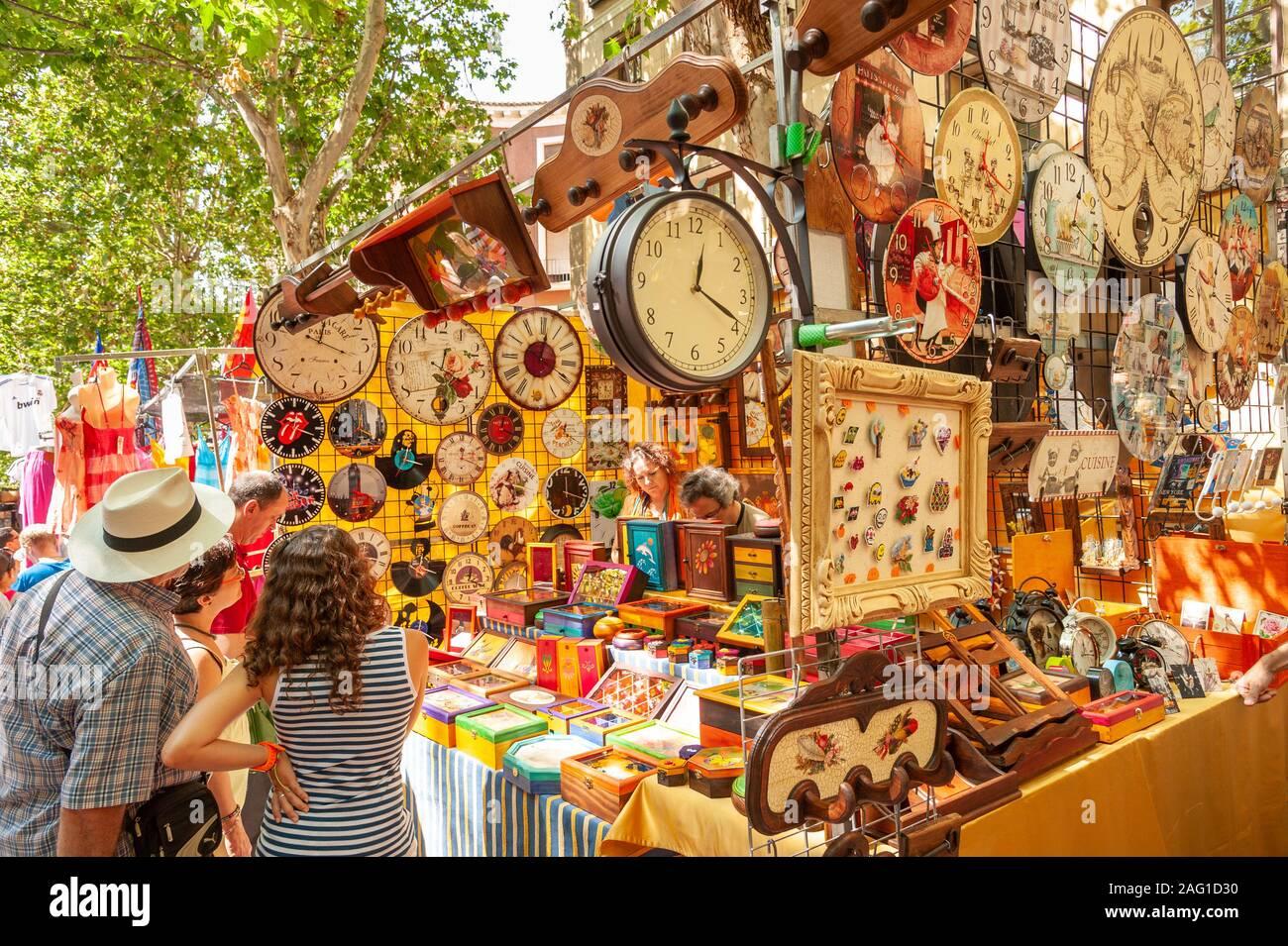
Madrid does markets better than almost anywhere in Europe, and the one people keep coming back to is Mercado El Rastro. It has been going for more than 350 years. Three and a half centuries. The whole thing sprawls across the streets of La Latina and swallows up something like 57,000 square meters, and on a Sunday it feels every bit that big. You'll find fresh local produce, racks of vintage clothes, dusty antiques, and a fair amount of stuff you never knew you wanted. Some people come to shop hard and haggle. Others just drift through the stalls with a coffee. Both are the right way to do it. Here's what you need to know before you go.
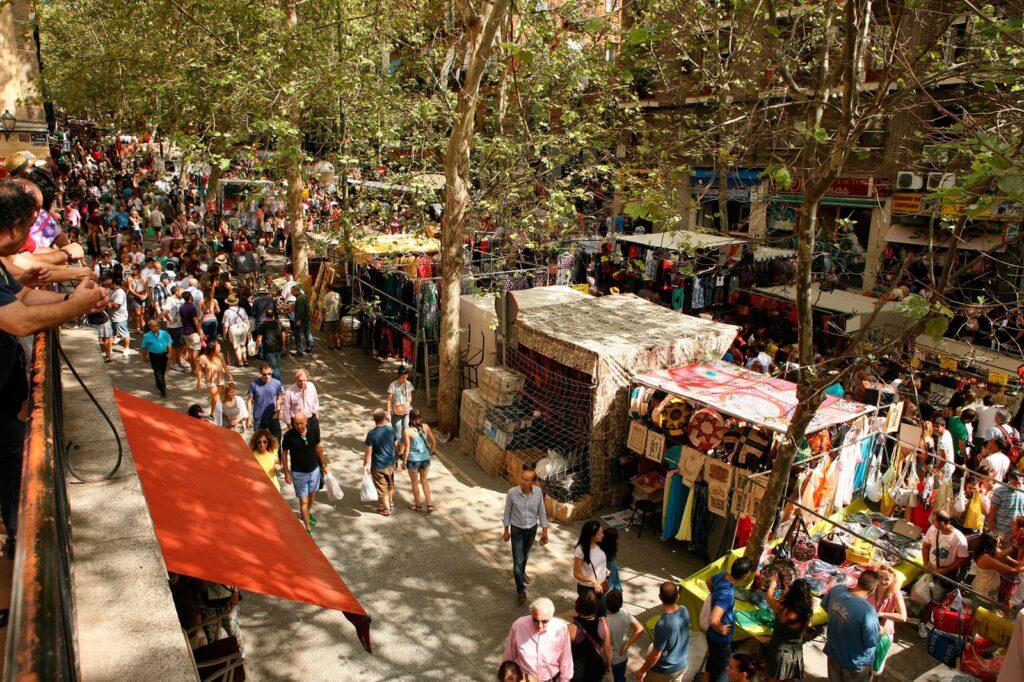
So what exactly is El Rastro?
El Rastro is a big open-air flea market in Madrid, and it runs every Sunday morning. It's one of the city's most popular attractions with tourists, and honestly one of the largest markets you'll find anywhere in Europe, covering over 3 km2 with more than 3,500 stalls packed in. Second-hand goods are the main draw, though plenty of vendors sell brand-new stuff too.
The market has been part of Madrid life for centuries. Its roots go back to the 15th century, when people knew it as the "mercado de la Paz", or "peace market", because it was held outside the city walls and traders came from all over Spain to do business there. Later it shifted inside the walls and picked up the name it carries now, which translates roughly as "the trace" or "the trail". The likeliest story? All those shoppers left a trail of footprints in the dirt, and the name stuck.
These days the crowd is heavily international, but that hasn't watered it down. If you're in Madrid on a Sunday, put it on the list.
A bit of history
El Rastro is one of Madrid's most iconic markets, full stop. It goes back to the 18th century and pulls in serious crowds, over a million people every Sunday, all there to poke through stalls selling clothes, antiques, food, drink, and whatever else the vendors have dragged out that week.
The name comes from the Spanish word for 'trail'. Originally the market set up along the banks of the River Manzanares, and it was a much smaller thing back then. It grew slowly, decade after decade, until sometime in the early 20th century it landed in its current spot in the La Latina district.
Now it's one of the busiest corners of the city. The streets get jammed with stalls, and on a busy Sunday the whole place takes on a bit of a carnival feeling.
What you'll actually find there
If flea markets are your thing, El Rastro will win you over fast. It runs every Sunday (and the odd public holiday) through the historic La Latina neighbourhood, and it's a solid place to dig up second-hand treasure, from antique furniture down to rails of vintage clothing.
But it's not only about buying. Half the appeal is the people-watching and just soaking up the mood of one of Madrid's most traditional districts. Even if you walk away empty-handed, the wander itself is worth the trip.
Getting there
Easiest way is the metro. Take Line 1 to Tirso de Molina station, then just follow the signs for "El Rastro", the market's a short walk from there. Driving? There's a parking garage right next to the market, though on a Sunday I'd think twice before adding a car to the mix.
Tips before you go
A few things worth knowing:
-Wear comfortable shoes. You'll be on your feet for hours.
-Bring small bills and change, since a lot of vendors won't take cards.
-Turn up early to beat the crowds and catch the best deals.
-Haggle. It's part of the game and the sellers expect it.
-Keep an eye on your bag and pockets, pickpockets do work the market.
-And just enjoy it.
More on the market's roots
El Rastro has been a Madrid tradition since the 18th century. It opens every Sunday and public holiday, and it ranks among the biggest markets in all of Spain.
Here's a different take on the name: some say it comes from the Spanish word for "stray", because the market started out as a spot to buy and sell livestock that had wandered off or been pinched. Whatever the true origin, today it's known for its huge spread of second-hand goods, clothes, books, furniture, antiques, the lot.
And despite all the tourists, it's still a genuinely local market. Madrileños love it for the atmosphere and the character.
What to expect once you're inside
El Rastro is Madrid's most famous flea market, and it earns the title. The whole open-air sprawl runs every Sunday morning, and it's about as good as it gets for hunting down antiques, vintage clothing, and all manner of oddities.
It can feel like a lot at first. That's normal. Here's how to keep your head.
When you arrive, take a minute to get your bearings. The market runs for over a kilometer, so knowing roughly where the main sections sit will save you some aimless wandering. Grab a map from one of the information booths near the entrance if you can.
Then just start walking. And haggle when you buy, it's completely expected, and a bit of back-and-forth often knocks the price down.
You'll get hungry, that's a promise, and there are food stalls everywhere doing traditional Spanish snacks like churros and calamari. No trip is really complete without a stop at the used-book stalls either, the librerías de viejo, as they're called in Spanish.
Come for a real one-off souvenir or just a good morning out, and you won't leave disappointed.
How to reach El Rastro
El Rastro is Madrid's best-known flea market and it's not hard to work out why. It runs every Sunday morning in the La Latina neighborhood, and it's stuffed with vintage clothes, antique furniture, and pretty much anything else you can picture.
Getting there is simple, it sits just a short walk from the La Latina Metro station. Once you're in, haggle with the vendors, you'll come away with better deals that way. It gets busy, so be ready to shoulder through the crowds a little. That's half the fun, if you ask me.
Making the most of your visit
For a proper taste of Madrid, El Rastro is hard to beat. The open-air market runs every Sunday morning and is one of the largest in Europe, with everything from clothes and antiques to hardware and souvenirs.
A handful of tips to make the day go smoother:
1. Get there early. The market opens at 9am, and the best deals go to whoever's there when the shutters lift. Early also means dodging the worst of the crowds.
2. Haggle. Don't be shy about talking a vendor down. It's expected, and frankly it's part of the fun.
3. Bring cash. Plenty of sellers won't take cards, so carry enough to cover what you're after.
4. Comfortable shoes, again. You'll walk a lot, and blisters will ruin your afternoon.
5. Pace yourself. There's a huge amount to take in, so go at your own speed. When you need to sit down, there are cafes and restaurants nearby to rest your feet and grab something to eat or drink.
What's worth buying
While you're in Madrid, swing by El Rastro, the city's favourite flea market. It runs every Sunday morning in La Latina and it's a proper trove of vintage finds, handmade pieces, and honest-to-goodness bric-a-brac. With over 3,000 stalls to work through, knowing where to begin is half the battle. A few things to keep an eye out for:
Antiques: this is what El Rastro is famous for. Furniture, ceramics, old coins, jewelry, it's all here. If you want a genuine one-of-a-kind thing to take home, start here.
Vintage clothing: a funky jacket, a designer dress from decades back, El Rastro turns it all up. And yes, haggle with the vendors, they expect it.
Handmade goods: leather work, paintings, hand-embroidered linens, all sorts of unique souvenirs. A lot of the stallholders are local artists, so buying from them puts money straight into their pockets.
General bric-a-brac: honestly, half the joy is just drifting past endless stalls to see what surfaces. Kitchenware, toys, books, you never quite know.
Where to eat around the market
El Rastro is one of Madrid's most popular markets and, handily, a great spot for cheap, tasty food. Quick snack or proper sit-down meal, you've got options either way.
For something fast, hit one of the many churros stalls. These fried pastries come with a thick chocolate sauce for dipping, and resistance is pointless. Want something more filling? Order a plate of huevos rotos from Los Gominolas, fried eggs, potatoes, and chorizo, and it'll set you up for the rest of the day.
Craving seafood, make for La Casa del Pescadito. It's a small place doing fresh seafood at fair prices. The gambas al ajillo (garlic shrimp) really stands out, delicious and only 6 euros. If you're after something heartier, the arroz con bogavante (lobster rice) is the move. At 18 euros a plate it's not cheap, but for a bit of a treat it's well worth it.
Whatever you're in the mood for, El Rastro has it somewhere. Go hungry.
Final thoughts
Mercado El Rastro is one of Madrid's great days out, no question. The range of stuff on sale, the easygoing vendors, the Sunday-morning noise of the place, it adds up to a good few hours whether you're hunting for a souvenir or just killing an afternoon. If Madrid's on your itinerary, find a Sunday for it.
0 Comments
Leave a Comment