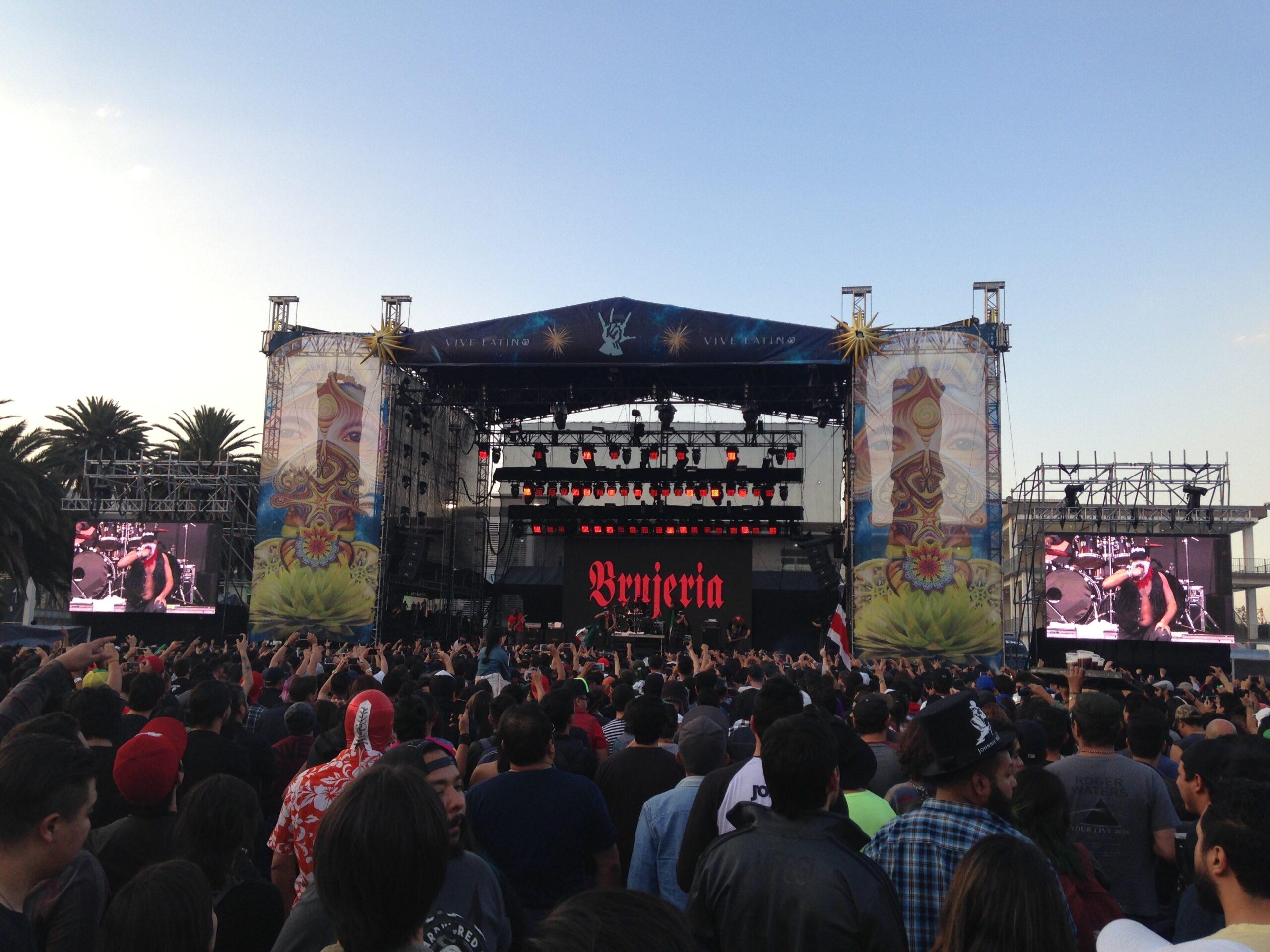
If you've ever wanted to feel the pulse of Latin American music all in one place, Festival Vive Latino in Mexico is about as close as it gets. It's one of the biggest names on the region's festival calendar, and for good reason. Bands and solo acts come from all over the continent, and the whole thing turns into a loud, sprawling celebration of just how much ground Latin music actually covers. So where did it come from, and why does it still pull people in?
How it all started
Vive Latino kicked off back in 1998 in Mexico City. It was put together by Ocesa, a Mexican entertainment company, and the original idea was pretty simple: give Latin American music and culture a proper stage. That first edition clearly struck a nerve, because the festival grew fast and soon became one of the region's heavyweights. Along the way it has hosted some genuinely huge names, Café Tacuba, Calle 13, Molotov, Manu Chao. If you follow the scene at all, those names probably mean something to you.
Why the festival matters
A few things make Vive Latino more than just another lineup on a poster. For one, it shows off how varied Latin American music really is. Rock, pop, hip hop, electronic, you'll hear all of it across the same weekend. And the artists aren't just Mexican. They roll in from Argentina, Colombia, Chile, further afield too. A crowd that size coming together over a shared cultural thread does something to you.
Then there's the way it treats newer acts. The festival has always made room for emerging artists alongside the established ones, which gives up-and-coming musicians a real shot at a big audience. Honestly, some of the best sets I've caught at festivals like this came from names I'd never heard of before walking in. Vive Latino has stuck with that for years, and it shows.
And finally, it works as a meeting point. People show up from all over, pulled in by the music and the culture, and wind up trading stories with total strangers. You learn things. You come away with a bit more respect for how other people live and listen. That sort of mixing is rarer than you'd think.
What the days actually look like
It runs three days in Mexico City. Several stages going at once, a different set of acts on each, and thousands of people, locals and travellers both, packing the grounds every year. Pace yourself, is my advice.
The music is the main draw, obviously, but it's far from the only thing going on. Food stalls serve up all sorts of Latin American cooking, and there are arts and crafts vendors selling handmade bits and pieces. There are workshops and talks digging into the music and culture too, which are a decent way to catch your breath between sets.
A few tips before you go
Planning to go? A handful of things worth knowing ahead of time:
- Get your tickets early. It sells out quickly, so grab yours the moment they go on sale rather than gambling on last-minute availability.
- Carry cash. Plenty of the food and merch vendors take cash only, so having some on you saves a lot of hassle.
- Dress for the swing in temperature. It's an outdoor event, and while the days can get properly hot, the nights turn chilly, so layers are your friend.
- Keep drinking water. Three days on your feet is genuinely tiring. Bring a refillable bottle and make use of the water stations dotted around the grounds.
- Map out your schedule. With so many acts playing, deciding who to catch can get overwhelming fast. Look at the lineup beforehand and rough out a plan.
0 Comments
Leave a Comment