A few words before we get going
If you happen to be in Spain on the 22nd of November, you'll probably hear it before you understand what's going on. Trumpets somewhere down a side street, a choir warming up in a church, kids dragging cellos that are almost bigger than they are. That's Santa Cecilia, the patron saint of music, and the country throws her a party every year. I've stumbled into these celebrations more than once, and honestly they're some of the warmest days you can spend here. Let me walk you through the history, the traditions, and why the whole thing feels the way it does.
Who Santa Cecilia actually was
So, the patron saint of musicians. Cecilia was a Christian martyr, and the story goes she was a gifted musician who played the organ and sang hymns to God in her heart. That last bit always stuck with me. Not out loud. In her heart. Her faith and her love of music turned her into a natural symbol for musicians here in Spain, and honestly well beyond it too.
Where the Fiesta comes from
Spaniards have been marking her feast day as the patron saint of musicians since the 16th century. The precise origins are a little fuzzy, to be fair, and nobody I've asked can pin down exactly how it started. What's clear is that it settled into the Spanish cultural calendar and never left. Head to almost any city or town and you'll find musicians, orchestras, and music schools gathering to honour Santa Cecilia with concerts, parades, and all sorts of music-related events.
How people actually celebrate
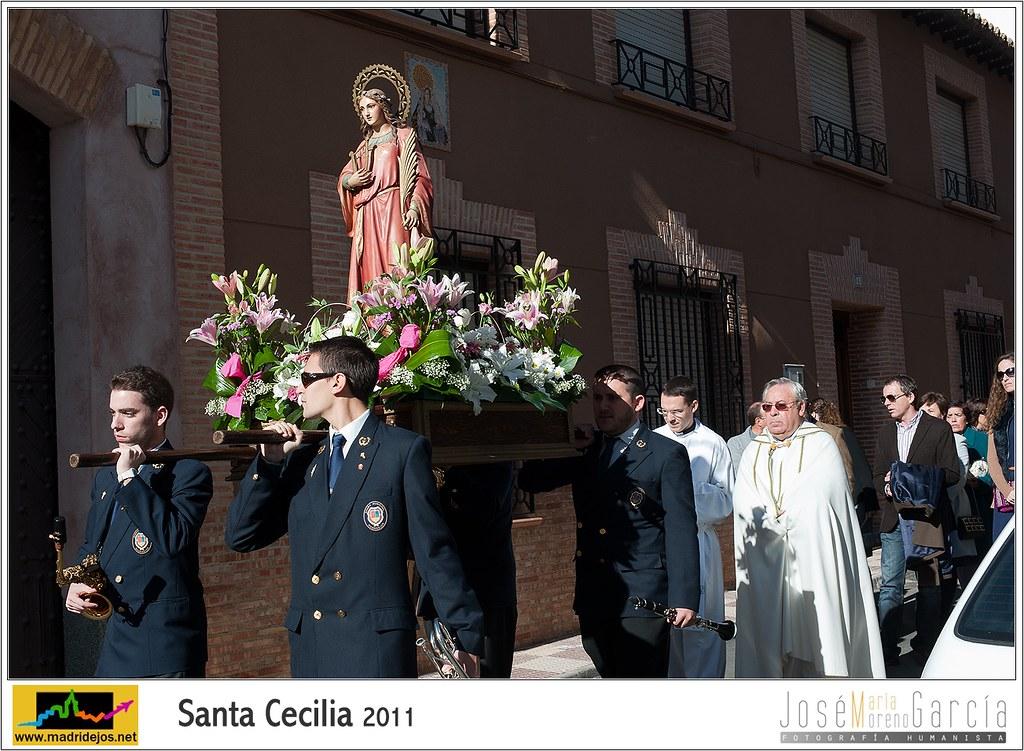
- Musicians' processions. This is the one everybody looks forward to. Players of every level, professionals and rank amateurs alike, march through the streets with their instruments and voices going full tilt. It's a proper spectacle, and if you ask me it's the beating heart of the whole day.
- Concerts and performances. All over the country, gigs and recitals are put on in Santa Cecilia's honour. Classical one night, something contemporary the next. Spain has a lot of musical range and this is where you hear it.
- Award ceremonies. Plenty of musical associations and schools hand out prizes, scholarships and recognitions to musicians who've earned them. It's how they keep the next lot of talent coming through.
- Free music lessons. Some communities lay on free lessons or workshops for the day, so anyone curious can have a go and see what they're capable of.
- Religious services. Traditional masses dedicated to Santa Cecilia are held in churches up and down the country, usually with special performances woven in. That tie between faith and music is right there in the room with you.
- Street festivals. Beyond the formal stuff, there are fairs and street parties too, with food, drinks, and entertainment. The atmosphere is hard to beat.
Music as a shared language
Really the Fiesta de Santa Cecilia is a celebration of music itself, and of the outsized part it plays in Spanish life. It reminds you how closely art and the spiritual sit next to each other. And it pulls people together, whatever their background or ability, to make and enjoy music side by side.
Come the 22nd of November, you can see plainly how much staying power music has, and how stubbornly the artistic spirit hangs on. Music crosses borders, talks straight to you, drags in anyone within earshot. Which makes it a fitting tribute to the patron saint of musicians herself.
0 Comments
Leave a Comment