If there's one week that turns Valencia inside out, it's Fallas. Five days, and the city barely sleeps through any of them. It runs 15th to 19th March in Valencia, Spain's third biggest city. Parades, wild costumes, fireworks that rattle your ribcage, food and drink on every corner. See it once and you'll get why people keep coming back. So what actually is Fallas, and how do you throw yourself into it?
So what is Fallas, exactly?
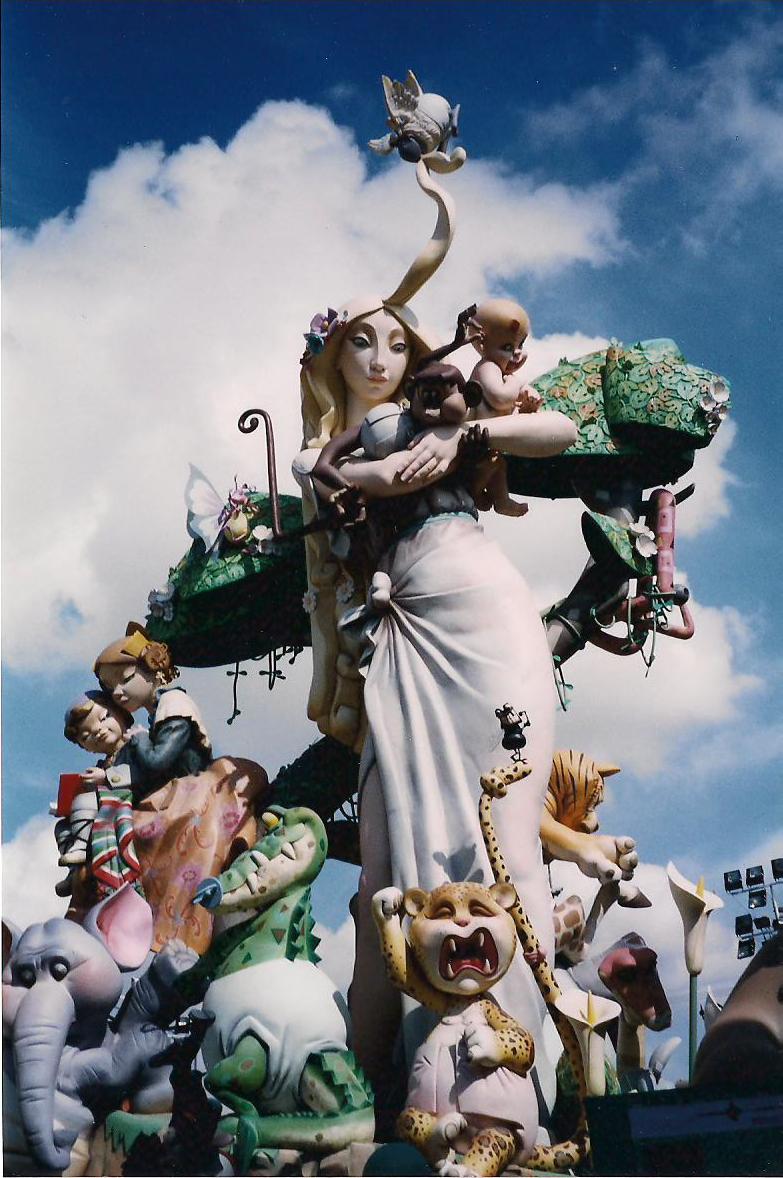
Fallas is a five-day festival in Valencia honouring the city's patron saint, Saint Joseph. The stars of the show are the fallas themselves: enormous figures built from papier-mâché and wood, all of them burned in huge bonfires on the last night. In the run-up to that finale you'll find parades, fireworks, bullfights and pretty much every other kind of Spanish festivity you can think of.
Where it all came from
Back in medieval Europe, lighting fires was a privilege reserved for the people at the top: kings, nobles, that crowd. So when ordinary folk in Valencia started lighting their own fires on St. Joseph's Day, it was genuinely a bold move. Las Fallas grew out of that little act of rebellion, and today it marks the moment with towering papier-mâché figures, called ninots, poking fun at famous people and whatever's in the news. They parade through the streets, and then they burn.
The first Fallas festival on record dates to 1492, though honestly the tradition only really caught fire (sorry) in the early 19th century. Valencia's carpenters would clear out their workshops come March and toss the scrap wood onto bonfires for St. Joseph's Day. Year after year the bonfires got fancier, with sculptures of straw and wax piled onto the flames.
The version we know now took shape in the 20th century. These days a falla can stand up to 30 feet tall, built over several months by professional artists. They tend to skewer politicians and celebrities, usually pretty cheeky about it, think Donald Trump with a comically tiny head. On the morning of March 19th, Saint Joseph's day, the figures roll through Valencia's streets before going up in flames that night.
How the city celebrates
Fallas is easily one of Spain's most famous festivals. It happens in Valencia, over on the country's east coast, and runs five days, ending with those giant papier-mâché effigies burning on the evening of the fifth.
It all traces back to St. Joseph's Day, the Christian holiday on March 19th. Tradition had it that you'd light big bonfires in his honour. Those fires kept getting more elaborate over the centuries until they became the massive papier-mâché figures you see torched today.
During Fallas, every neighbourhood in Valencia builds its own falla. Some reach 20 metres tall, and the detail on them is remarkable, right down to the faces. More often than not they're taking aim at public figures or riffing on current events.
Come the night of March 19th, the fallas all go up in one enormous fireworks-lit blaze. The whole thing wraps with the grand finale, La Crema, when every last falla burns at once.
Over two million people pour into Valencia for the festival, which makes it one of the biggest draws in the whole country. Thinking about going yourself? Here's what to know first.
What you're actually walking into
Few festivals in Spain are as well known as Valencia's Fallas. Spread across several days in March, it welcomes spring with those huge papier-mâché fallas set up all over the city.
On the first day, known as Nit de la Crema (Night of the Fireworks), the fallas are lit in a spectacular display. The days that follow keep the energy going with more fireworks, parades, music and dancing.
If Valencia during Fallas is on your list, here's the honest picture:
huge crowds - you'll be elbowing your way down the streets, no way around it
loud bangs and bright lights - pack earplugs and sunglasses if noise or brightness gets to you
a lot of smoke - plenty of fallas are lit with fireworks, so smoke in the air comes with the territory
a party atmosphere - Fallas is a time to let loose and enjoy yourself!
A few things to know before you go
1. Sort your trip early: Fallas is popular and hotels fill up fast. Lock in your accommodation well ahead of time.
2. Have a rough plan: there's a lot going on during Fallas. Figure out what you actually want to see so you're not overwhelmed.
3. Dress for it: much of Fallas happens outdoors, so check the weather and dress accordingly.
4. Expect crowds: this is a big festival with big numbers. Brace for long lines and packed streets at events.
5. Enjoy it: Fallas is a celebration, plain and simple. Soak up the music, the food and the spectacle while you're there.
Worth the trip?
Between the music, the decorations and everything else the city throws at you, Fallas is worth doing at least once in your life. You get real Spanish culture and festivity out of it, and usually a few new friends and memories that stick around long after. Bring the family, bring your friends, and just let yourself have a proper good time.
0 Comments
Leave a Comment